DPF Lifespan: Top Diesel Particulate Filter Parts That Make It Last Longer
- Vivek Bishnoi
- 2 days ago
- 5 min read

If you own a truck, manage a fleet, or run a repair shop in California, you probably worry about your diesel particulate filter. A bad filter costs a lot to replace. But did you know that the DPF lifespan depends a lot on other parts? It's true. The filter doesn't work alone. Other components help it stay clean and healthy. When those parts fail, your filter fails sooner. So if you want to save money and avoid downtime, pay attention to the top Diesel Particulate Filter parts we’ll talk about here. They are the real heroes that keep your DPF running for many miles.

The Most Important Parts That Affect DPF Lifespan
Your DPF is like a trap for soot. But it needs help from sensors, injectors, and other systems to work right. If any of these helpers break, the DPF lifespan gets shorter. That means more repairs and more cost for you. Let’s look at the key Diesel Particulate Filter parts you should check and maintain regularly.
The Filter Itself (Substrate)
This is the main part that catches soot. It’s usually made of ceramic material. If it cracks or melts from too much heat, it's ruined. That’s why the regeneration process—which burns off soot—must be controlled carefully. Also, ash from engine oil builds up over time and can clog the tiny holes. So keeping the filter in good shape is the first step to a longer DPF lifespan. When you replace other parts, always check the filter's condition too.
Pressure Sensors: They Tell You When to Clean
These sensors measure the exhaust flow going in and out of the DPF. They send a signal to the engine computer, telling it how full the filter is. If the sensor is broken, the computer might not start a regeneration when needed. Or it might start one too often. Either way, your filter suffers. Replacing a faulty pressure sensor is cheap and easy. It's one of the best top Diesel Particulate Filter parts to watch because it protects your investment.
Temperature Sensors: They Prevent Overheating
Regeneration needs high heat—over 1,000°F—to burn soot. Temperature sensors make sure the heat stays safe. If a sensor gives a wrong reading, the system might get too hot and crack the filter. Or it might not get hot enough, leaving soot behind. Both hurt the DPF lifespan. So always replace a faulty temperature sensor right away. It’s a small part with a big job.
The Fuel Doser Injector
This injector sprays fuel into the exhaust stream to create the heat for active regeneration. Over time, it can get clogged or fail. If it doesn't spray fuel correctly, the regeneration won't work well. That leads to soot buildup and a shorter DPF lifespan. Keeping this injector clean and functioning is one of the most important maintenance tasks. Among all Diesel Particulate Filter parts, this one is often overlooked but critical.
The EGR Valve and Its Role
The EGR valve recirculates some exhaust gas back into the engine to reduce emissions. But if it sticks open or closed, it changes how the engine burns fuel. That can produce more soot than normal. More soot means the DPF fills up faster. So a faulty EGR valve can shorten your DPF lifespan significantly. Replacing or cleaning it is a smart move. It's considered one of the top Diesel Particulate Filter parts to check when you have DPF issues.
Turbocharger and Charge Air Cooler
These parts help deliver the right air-fuel mixture to the engine. If the turbo leaks oil or the cooler has a leak, the combustion won't be clean. That creates extra soot. Clean air and a good turbo mean less soot, which means a longer DPF lifespan. At Enviromotive, we often see that fixing a small turbo issue can save a DPF from early failure. So don't ignore these parts.
Use the Right Oil and Fuel
This might sound basic, but it's crucial. Modern diesel engines with DPFs need low-ash engine oil. High-ash oil leaves metallic ash in the DPF that never burns off. That ash will eventually block the filter completely. Also, use fuel with low sulfur content. Bad fuel can damage the DPF. Sticking to the manufacturer's recommendations for fluids is one of the easiest ways to extend your DPF lifespan. It's cheap insurance.
Regular Cleaning and Understanding Regeneration
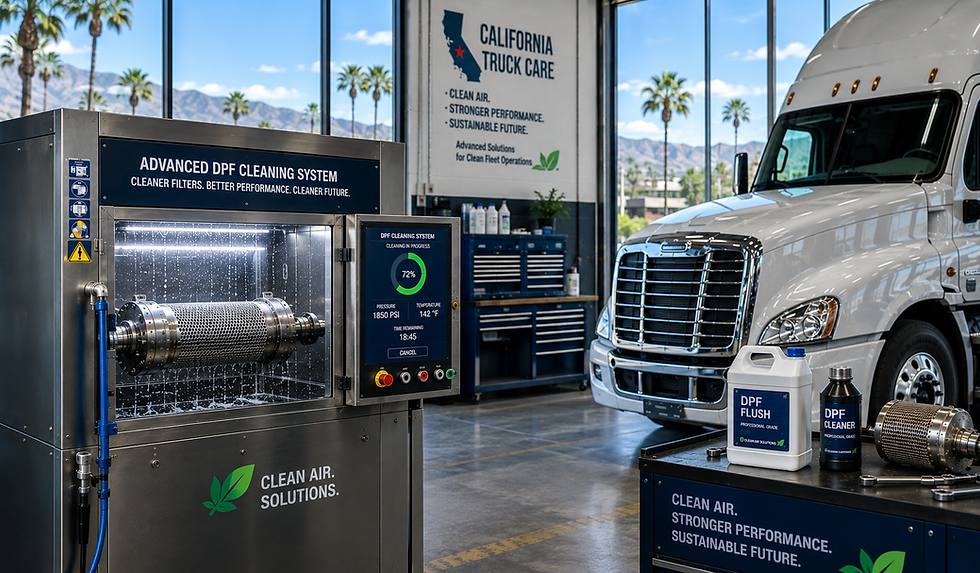
Regeneration happens in two ways. Passive regeneration occurs when you drive at highway speeds and the exhaust gets hot enough to burn soot. Active regeneration is triggered by the computer when the filter gets full. If you ignore warning lights and don't drive to complete the regeneration, your filter will clog. Sometimes a professional cleaning service can restore a nearly clogged filter. Companies like Enviromotive offer such services to help you get more life out of your DPF.
FAQs
How many miles can I expect from my DPF?
With good care, a DPF can last between 100,000 and 200,000 miles. But that depends on driving habits, maintenance, and the condition of all the supporting parts we talked about.
Can cleaning help extend the life of my DPF?
Yes. Professional cleaning removes soot and ash that regeneration can't burn. It's a cost-effective way to revive a filter and extend its usable life. Many shops offer this service.
Why does engine oil matter for my DPF?
Engine oil creates ash when it burns. Low-ash oil produces less residue. Using the wrong oil fills your DPF with ash that never goes away, leading to premature clogging and failure.
What should I do when the check engine light comes on?
Don't ignore it. The light often means a sensor problem that affects regeneration. Have a mechanic scan the code and fix it quickly. Delaying can cause soot buildup and ruin your DPF.
Which part is most expensive to replace on a DPF system?
The DPF filter itself is by far the most costly Diesel Particulate Filter part. That's why it pays to maintain all the smaller, cheaper parts that protect it. Prevention is always cheaper than replacement.
Conclusion
Your DPF lifespan is in your hands. It's not just about the filter—it's about all the parts that support it. By keeping pressure sensors, temperature sensors, the fuel doser, the EGR valve, and the turbo in good condition, you can avoid early and expensive failures. Also, always use the right oil and fuel, and pay attention to regeneration warnings. At Enviromotive, we've helped many customers extend their DPF life with simple maintenance. Take care of these top Diesel Particulate Filter parts, and your filter will thank you with many miles of reliable service.